
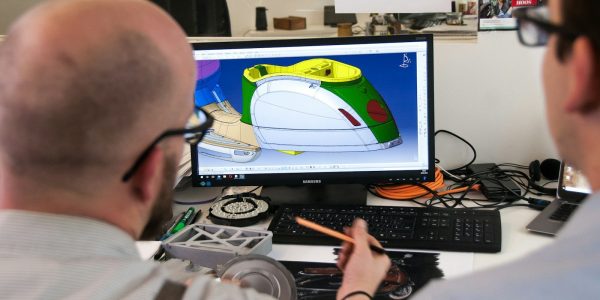
The Staffing of Engineering Jobs Requires a Renaissance
During my 15-year tenure in the engineering field, I’ve seen a lot of changes, I’ve been hired for jobs, and I’ve done the hiring for jobs. I’ve also watched the industry expand and contract multiple times over. But the current situation isn’t quite like anything that has happened before, even if engineering leaders are reductant to admit it.
For one thing, the definition of what is meant by the term “engineering” now depends heavily on context. To me, engineering refers to an ecosystem of roles that includes degreed engineers, traditional white-collar roles that support engineering such as designers and drafters, and highly skilled blue-collar technicians. In addition to an unprecedented level of complexity, each engineering vertical operates independently in how it staffs teams.
That said, there are a few truths about engineering staffing that apply to all of us, including the reality of the market right now, the mandate to transform education, the need for specialization, and finally, the move to considering skills adjacency and team building flexibility.
The Reality of the Market
Two parallel forces dominate the engineering sphere right now. Like much of the economy, the field is no longer in a general slowdown. Engineering-related industries have turned the page and are in a fragile recovery period. But as organizations return to staffing demanding projects at a rapid clip, they face talent scarcity. We simply aren’t training enough engineering professionals globally to account for increased demand.
The Mandate to Transform Education
Overall, our global engineering curriculum is still very theoretical. Our young people need our help tailoring their education to specific applications by partnering more closely with industry. I believe in a hybrid approach through where we teach the core engineering fundamentals. Then, during the last four semesters or so, students refined what they’ve been taught in their areas of interest and are better prepared to contribute meaningfully to their first jobs.
The Need for Specialization
On a related point – the rise of AI gives us all an opportunity to gather broad knowledge. This development puts so-called “generalists” in danger. I believe the most competitive candidates know how to do one thing extremely well and also understand how to use AI to enhance their performance using that specific skill.
Historically, the focus of a first job is critical because it tends to define the rest of one’s career. If a new engineering professional learns how to build an automotive component, for instance, it’s hard to switch to audio systems down the line.
In terms of where to specialize, I would be remiss if I didn’t point out that the hottest area of engineering at the moment is not what a lot of people think it is. The 2025 EU Industrial R&D Investment Scoreboard reported that while aerospace and defense research and development expenditures were up less than five percent, energy R&D was up nearly 20 percent. Given the current geopolitical climate, energy independence is considered a top investment priority.
The Move to Consider Skills Adjacency
While the need for specialized skills is important, we must also recognize how quickly business realities can and do change. The industry needs to rethink how it hires and requests talent. Candidates and the staffing organizations with which they work need programs that train candidates with adjacent or transferable skills from other industries. They must then build comprehensive profiles based on candidates’ potential. Refusing to upskill and reskill the talent at the door is no longer a decision engineering can afford to make.
Companies that hire engineering professionals should also honestly evaluate the amount of experience that’s even possible for emerging sectors. For example, a hiring manager demanding a candidate with 15 years of experience building electric batteries is going to be waiting a long time because that person does not exist. So, we must be willing to look at the alternatives.
The Move to Team Building Flexibility
Staffing engineering jobs has always been more of an art than a science, and a person hiring degreed mechanical engineers is probably not the same person who needs welders, for example. Therefore, engaging an interdisciplinary staffing team makes it easier to build teams quickly rather than having to go to five different sources. But whatever your staffing approach, it must be agile enough to address what firms need today even if you’ve never seen that exact configuration before.
Author:
Jorge Puente
Jorge Puente is a seasoned global business leader with over 20 years of experience in engineering, technology, and industrial services. He began his career at Schlumberger, managing technical operations, regional business units, and global programs across the Americas and Europe, introducing new technologies and overseeing international teams. Jorge later led the creation of Kelly Engineering, driving commercial transformation and digital operating models in North America. Currently, he is Manpower’s European Engineering Director in Madrid, responsible for strategy, development, and growth across European markets.